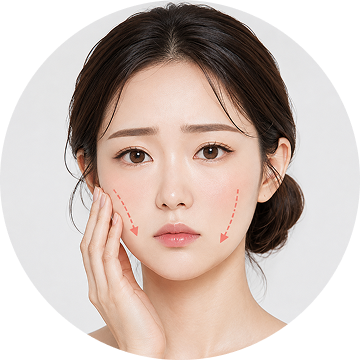
When sagging in the cheeks
and deeper cheek area makes
the face look heavy




When sagging in the cheeks
and deeper cheek area makes
the face look heavy
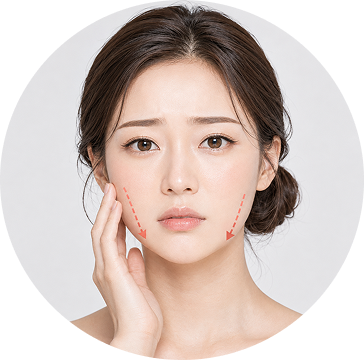
When the jawline looks blurred
and the lower face appears
wider

When sagging around
the nasolabial folds and mouth
becomes more noticeable

When energy-based lifting alone
does not provide
enough improvement
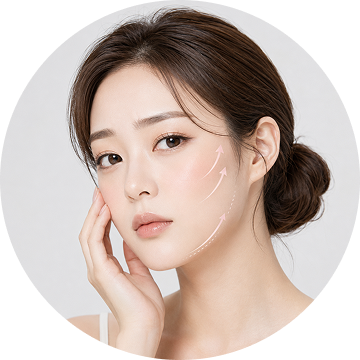
When you prefer natural
contour refinement over
an overly pulled appearance

Strong Support · Defined Lower Face
Designed for areas that require stronger support, such as the cheeks and jawline. It helps support sagging tissue and refine the contours of the lower face.
 Treatment Time
Approx. 30–60 min
 Recommended Interval
Approx. 6–12 months
 Recommended For
Cheek Sagging · Jawline · Lower Face Contour
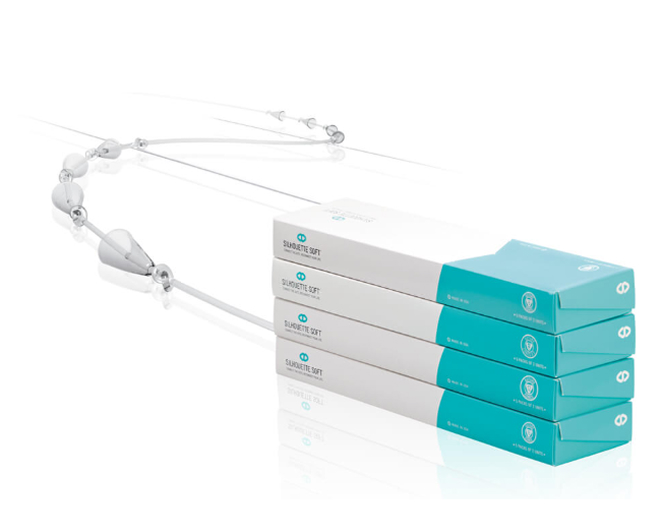
Gentle Support · Natural Contours
Designed for areas that need gentle support, helping reduce an overly tight appearance while creating natural contour refinement.
Treatment Time
Approx. 30–60 min
Recommended Interval
Approx. 12 months
Recommended For
Cheek Sagging · Nasolabial Folds · Natural Contours
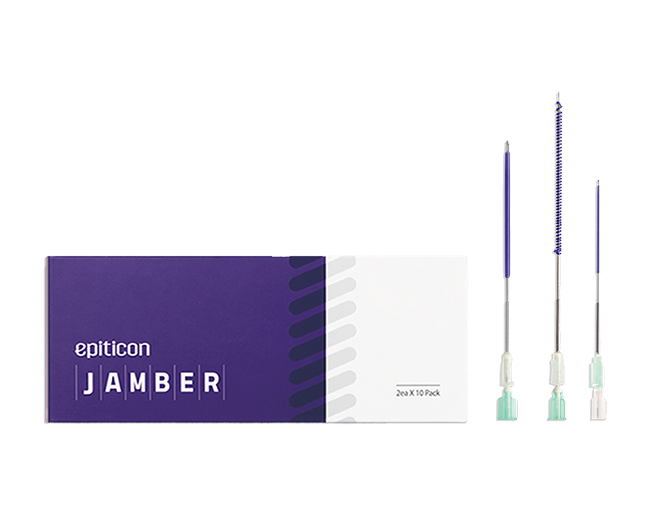
Volume Support · Natural Dimension
Designed for areas with both volume loss and reduced firmness. It helps support tissue while restoring natural-looking facial dimension.
Treatment Time
Approx. 30–60 min
Recommended Interval
Approx. 10–14 months
Recommended For
Volume Loss · Nasolabial Folds · Cheek Sagging
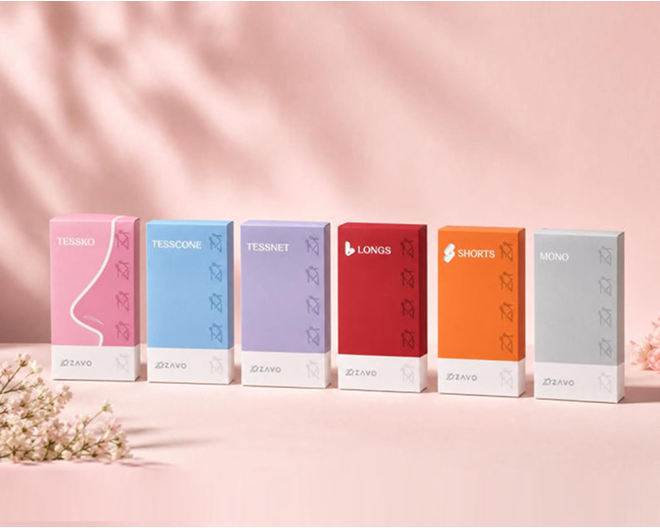
Precise Application · Refined Contour Correction
Designed for areas that require delicate adjustment. The treatment is tailored to the skin and tissue characteristics to precisely refine the desired facial contours.
Treatment Time
Approx. 30–60 min
Recommended Interval
Approx. 6–12 months
Recommended For
Jawline · Cheek Sagging · Facial Contours
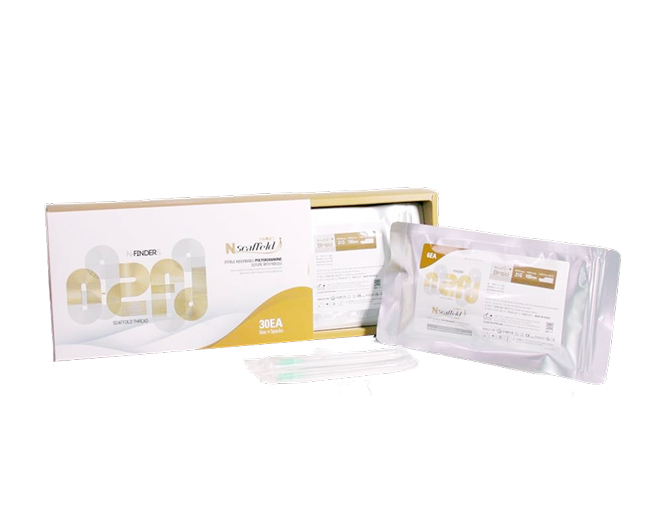
Firm Support · Lower Face Balance
Supports areas affected by reduced firmness and heaviness, helping soften the appearance of heavier cheeks and jawline while restoring balance to the lower face.
Treatment Time
Approx. 30–60 min
Recommended Interval
Approx. 6–12 months
Recommended For
Deep Cheeks · Jawline · Loss of Firmness
※ Treatment time and recommended intervals may vary depending on skin condition, degree of sagging, treatment area, thread type, and the number of threads used.